Extending the style cues.
The supplied framed artwork informed the clipped corners of the lower thirds and cards. Layouts follow the client’s established aesthetic, keeping the supporting graphics connected to the intro.
FWD Studio × Stage 2 Studios
Bringing a new logo to life.
FWD Studio designed the new What Follows logo. Stage 2 Studios animated it using the supplied assets, then carried the client’s brand guidelines, aesthetics and typography into the supporting podcast graphics.
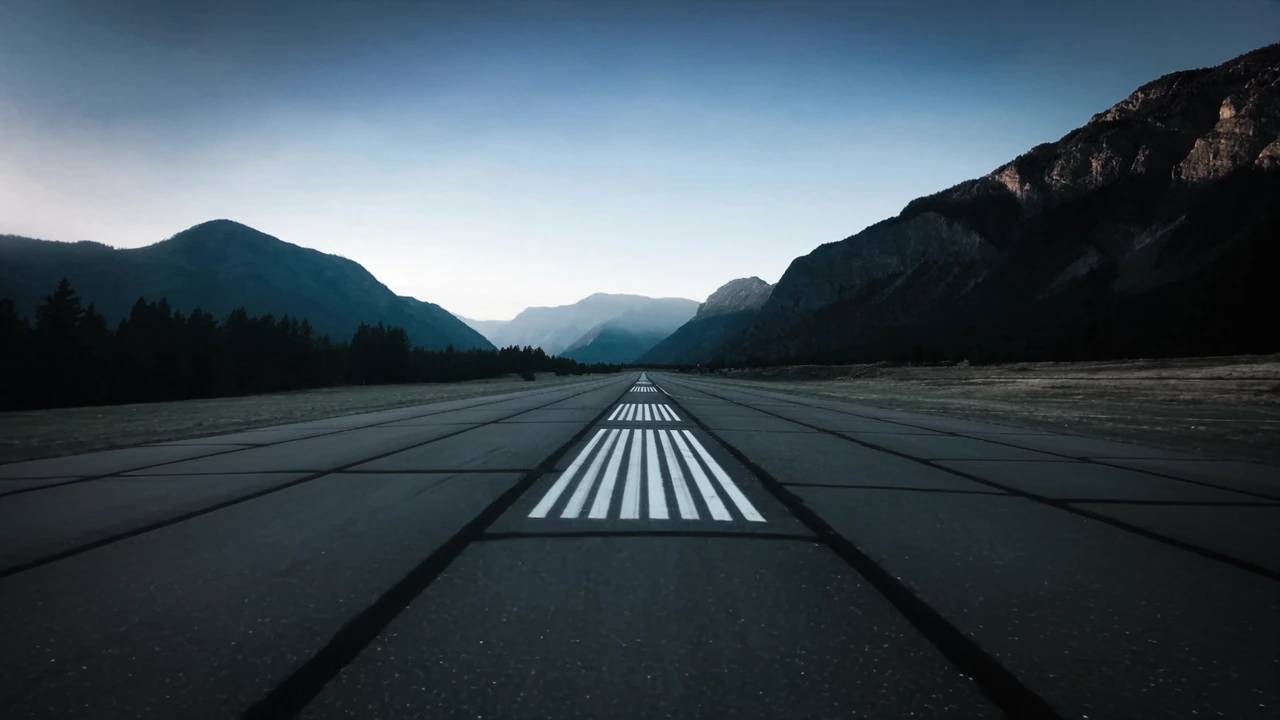
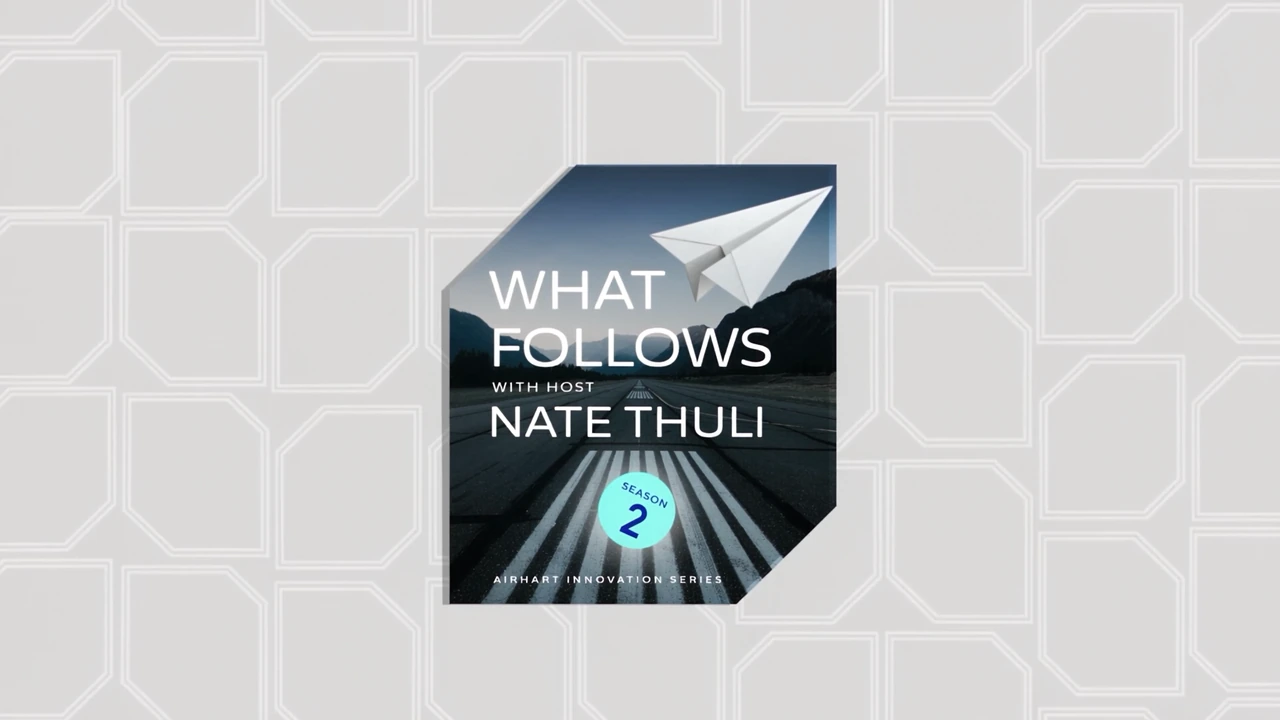
Watch the main introThe new logo designed by FWD Studio comes to life using the supplied runway imagery, paper airplane and geometric backdrop. What Follows, with host Nate Thuli, Season 2.
FWD Studio designed the new logo for What Follows. Our role was to animate that logo with the supplied assets to create the main podcast intro—the centerpiece of the project.
The animation brings together the logo and supplied imagery in an opening sequence. From there, we interpreted the client’s established brand guidelines, aesthetics and supplied font into lower thirds, guest cards and the rest of the episode graphics.
Select a supporting asset to explore.
A restrained introduction with editable guest name, title, company, season and episode number.
Template previews show sample copy. Transparent elements are presented against black.
The supplied framed artwork informed the clipped corners of the lower thirds and cards. Layouts follow the client’s established aesthetic, keeping the supporting graphics connected to the intro.
Asap Expanded was supplied by the client. We applied it across names, headlines and supporting copy, adapting scale, hierarchy and spacing to suit each graphic within the brand guidelines.
Sliding panels, trailing text fades and subtle backdrop movement interpret the established visual direction. The supplied paper airplane connects the intro imagery to the transition between shots.
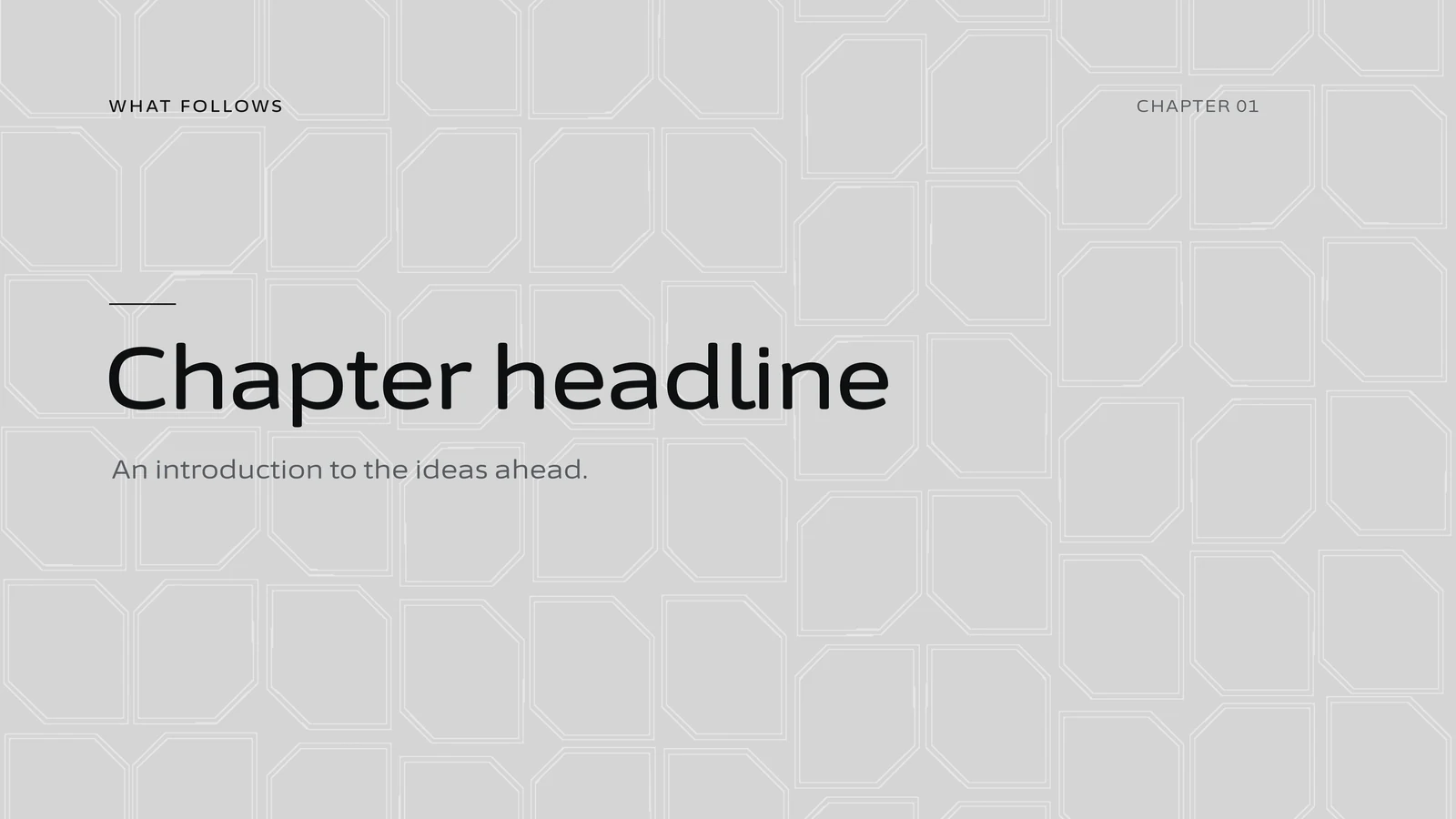
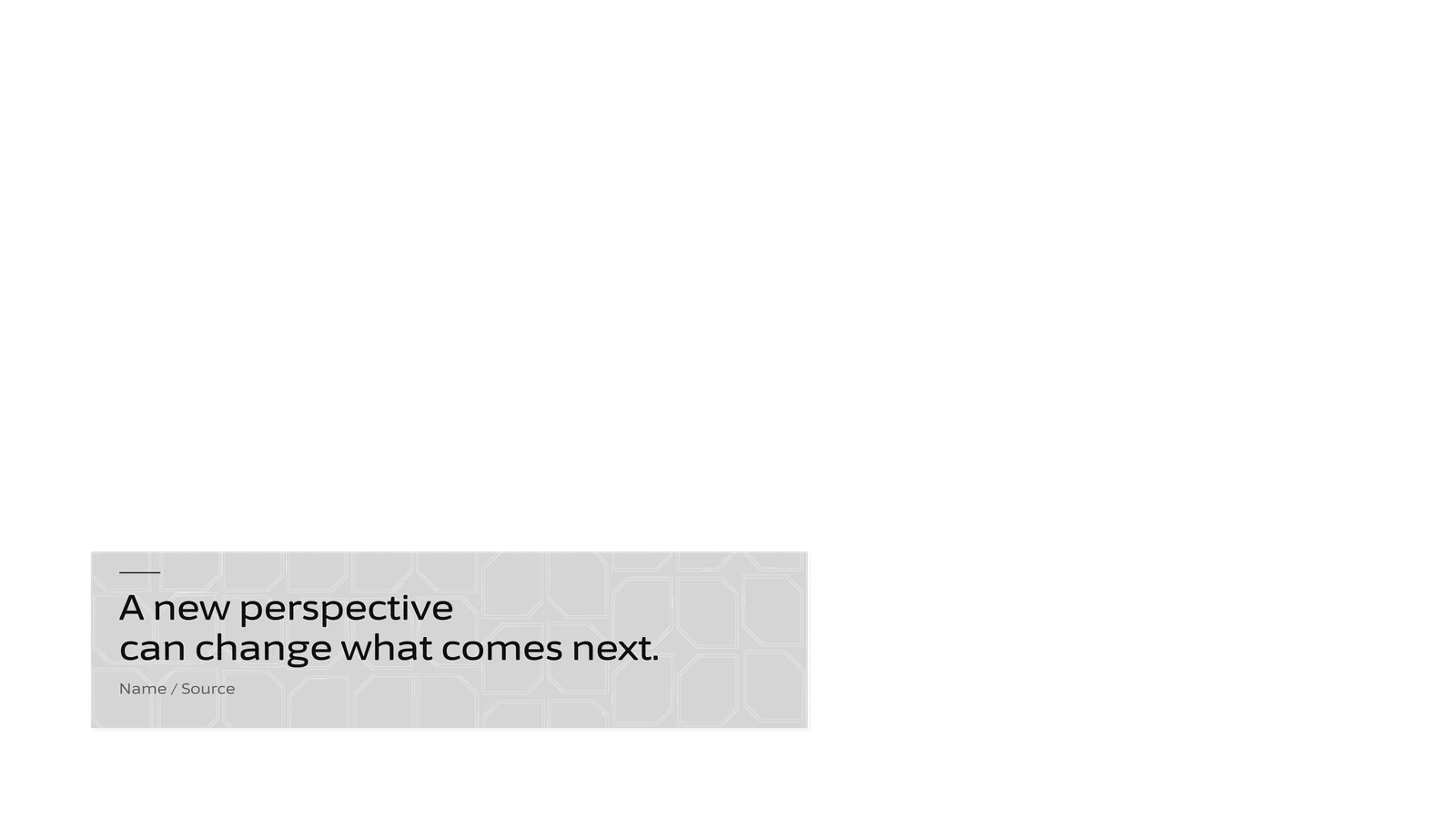
The system was prepared for both full episodes and vertical Shorts. Dedicated layouts carry the typography, panel shapes and branding into each format, with lower thirds and callouts positioned to leave space around the speaker.
Blank versions of all five text-bearing card types let editors add guest details, chapter copy and calls to action directly in Resolve.
The logo animation leads the project. The supporting graphics package pairs production exports with editable After Effects projects, Premiere Pro templates, linked assets and font details. Transparent overlays retain their alpha channels, and separate blank versions keep replacement text flexible.
Together, the animated logo and supporting graphics carry the client’s established brand through the episode, with editable layouts ready for new guests, new topics and future seasons.
The featured intro is the supplied 1920 × 1080, 24 fps film with audio. Supporting graphics exports are 30 fps ProRes masters; After Effects sources include 4K and vertical layouts. Original Premiere Pro templates are 1920 × 1080. Resolve uses rendered overlays with separate replacement text.